Resources
Practical notes on enclosure design, alloy selection, finishing, EMI shielding, DFM and export — written from how we actually run our Shenzhen plant.
When selecting an enclosure for a local AI model, it is crucial to evaluate thermal management capabilities, structural
Short answer: IP65 and IP67 share the same dust rating and differ only in water exposure, but that d
Tolerances are among the most misunderstood cost drivers in CNC machining. A tight callout copied from an old drawing
Short answer: if the housing keeps one constant cross-section along its length and you will build mo
Short answer: an aluminium wall is not what fails an EMC test. A 1.5 mm wall already delivers m
Short answer: "anodized" and "powder coated" are not specifications. A usable callout names the proc
When you specify an extruded aluminium profile, one of the first decisions on the drawing is the alloy. For most comm
Short answer: an IP rating answers two questions — dust and water — and nothing else. An outdoor enc
Short answer: extrusion puts a large fixed cost into a die and then charges very little per unit; ma
Short answer: choose anodizing when the surface must conduct, dissipate heat, hold a tight tolerance
Why Perceived Quality Matters for 3C Products In the 3C market — computers, communications, and consumer elec
Why finish defects only appear after anodising An anodised aluminium enclosure is unforgiving: the oxide lay
Aluminium enclosures almost never go straight from a drawing to a finished part. Extrusion gives you the profile, but
Why the Enclosure Partner Matters for 3C Products For consumer electronics — routers, power banks, docking s
A request for quotation is a design document. Twelve lines to send with your drawing so an aluminium enclosure quote is accurate and comparable.
Groove fill, gasket hardness, corner radii and the sealing land decide whether an IP enclosure holds. The numbers to put on your drawing.
Why the Process Choice Is a Cost Decision First Most engineers approach aluminium enclosures from a geometry
Why Surface Finish Matters for Aluminium Enclosures Aluminium forms a thin natural oxide film, but for electr
Why Perceived Quality Matters for 3C Products In the 3C market — computers, communications, and consumer elec
Why finish defects only appear after anodising An anodised aluminium enclosure is unforgiving: the oxide lay
Aluminium enclosures almost never go straight from a drawing to a finished part. Extrusion gives you the profile, but
Why the Enclosure Partner Matters for 3C Products For consumer electronics — routers, power banks, docking s
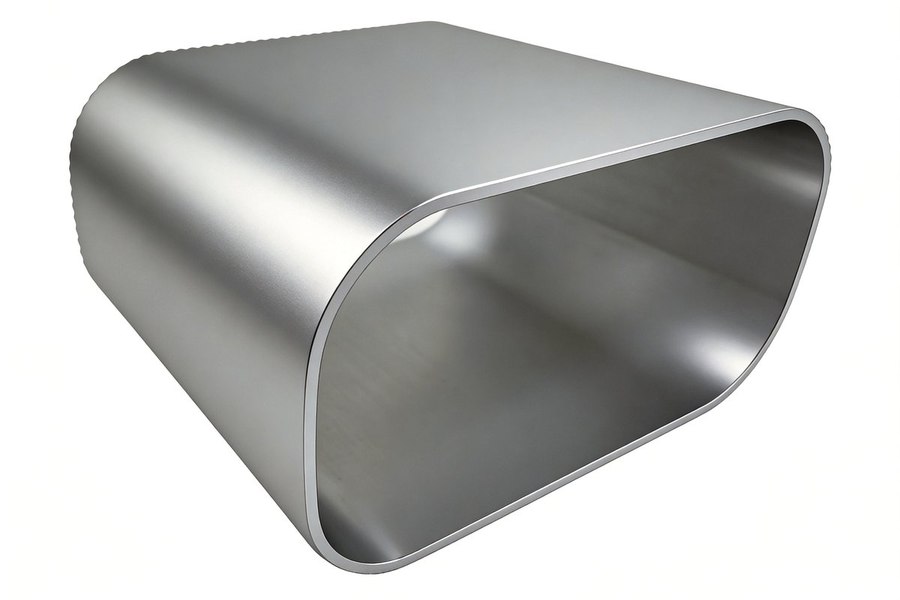
Tolerance, setups, tool changes, pocket depth, corner radius, near-net extrusion and batch size — the seven levers that move the machined cost of an aluminium enclosure more than any negotiation on rate.
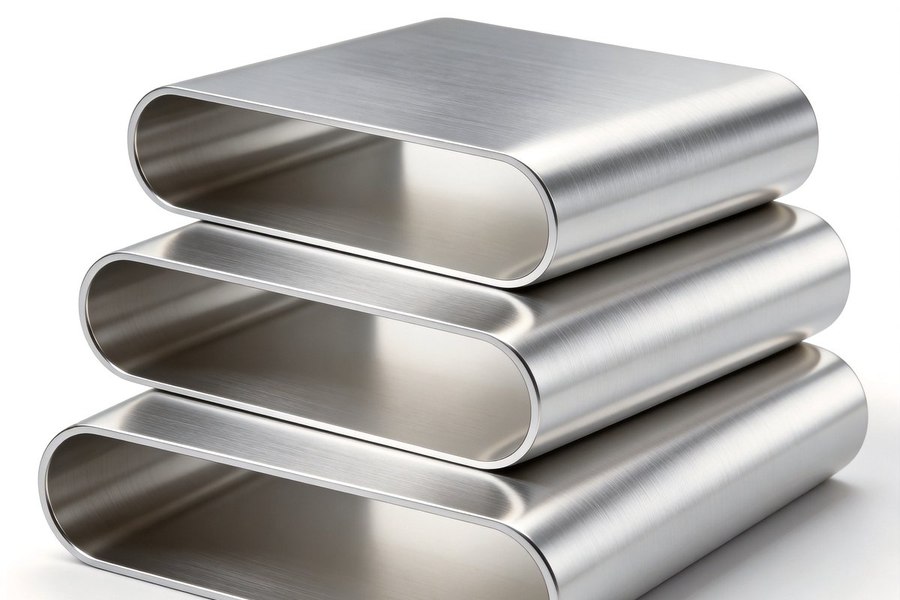
What ±0.04 mm actually covers, why the GB national standard is not a capability, what going tighter costs, and how to specify tolerance without paying for precision you do not need.
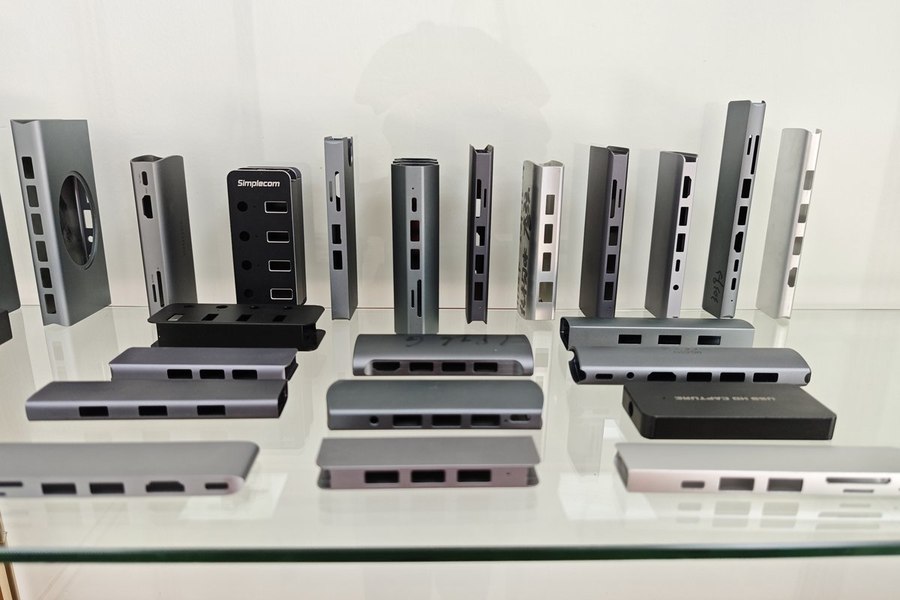
How to choose the right aluminium alloy for your enclosure — 6061, 6063, 6082 and 6005A compared on machinability, finish and strength.
Extrusion vs CNC machining for custom enclosures — when each wins on cost, lead time, wall thickness and volume.
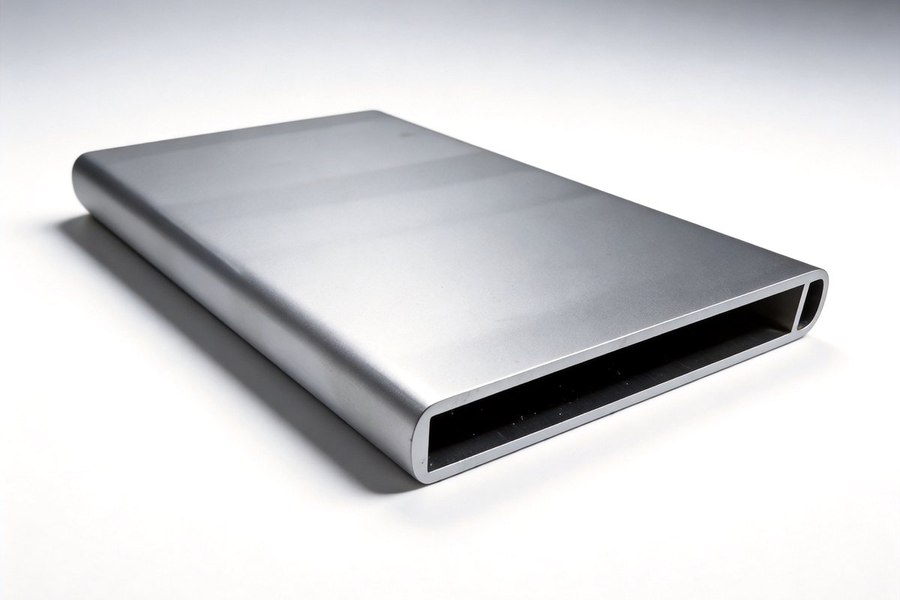
Anodizing or powder coating for your aluminium enclosure? Compare durability, colour, EMI and cost to pick the right finish.
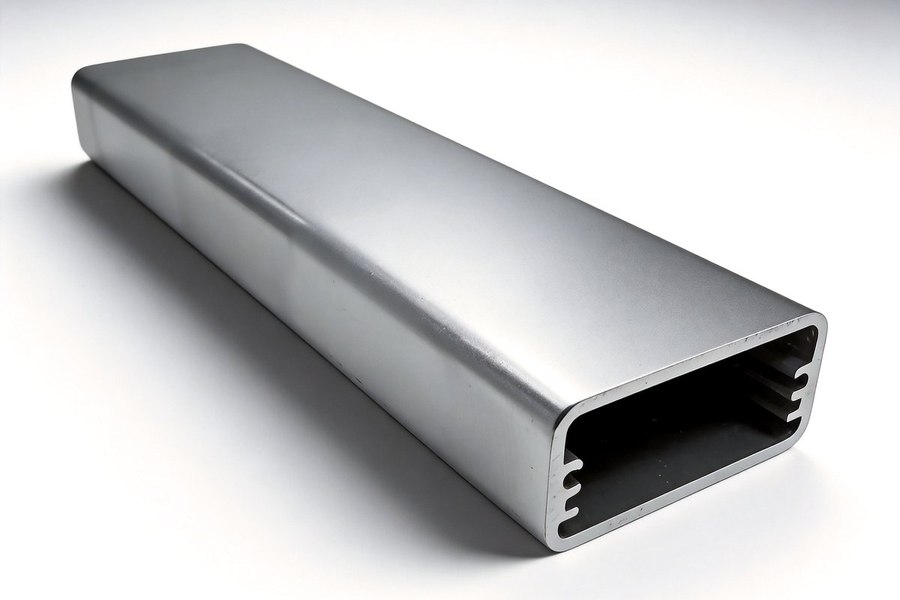
How thin can an aluminium enclosure wall go? Wall-thickness rules, stability limits and machining-rigidity tips for extruded profiles.
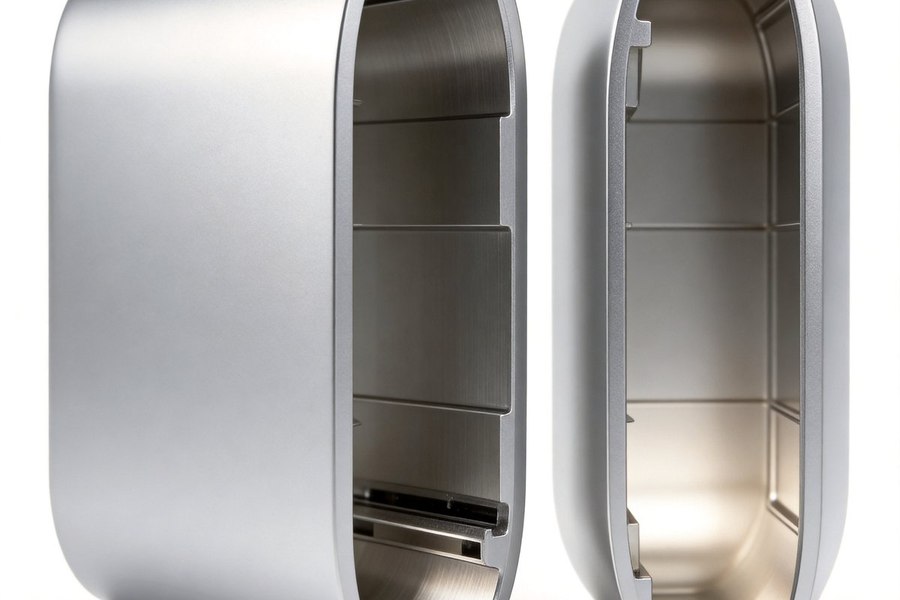
How to shield an aluminium enclosure from EMI — conductive anodising, selective masking, gasket lands and design tips.
What a DFM (design for manufacturability) review tells you — wall limits, tolerances, finish risks and cost drivers on an enclosure drawing.
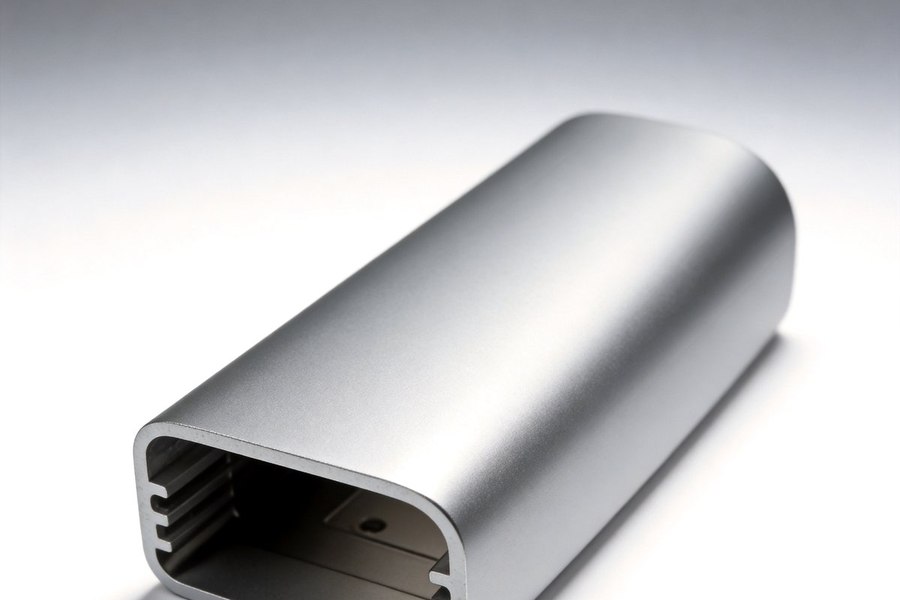
Fin pitch, thickness and height limits for extruded aluminium heat sinks — and how to integrate the mount into the profile.
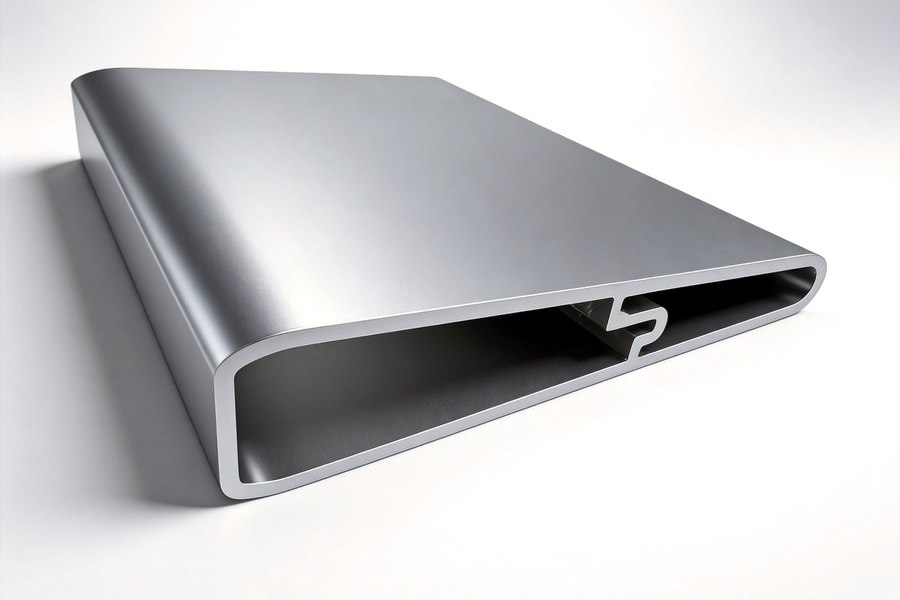
HS codes, documents and Incoterms for shipping custom aluminium enclosures from China — what overseas buyers need to know.
How to design an IP-rated aluminium enclosure — gasket choice, groove geometry, fastener pitch and the sealing points that fail after anodising.
Inside the tooling stage of a custom aluminium enclosure — die layout, bearing length, solid versus hollow sections and how the first sample is proven.
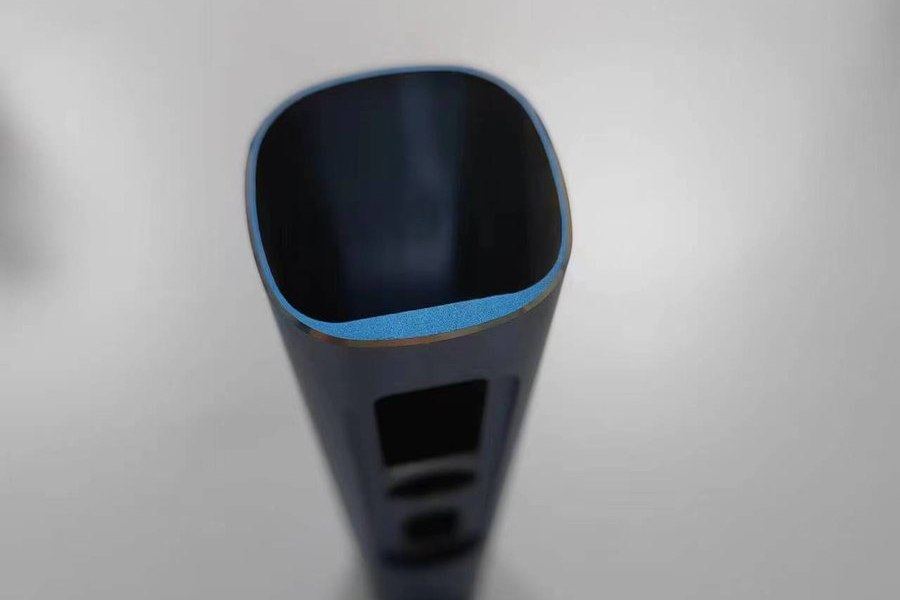
Metal, tooling, machining, finishing, packaging and freight — a line-by-line look at the price of a custom aluminium enclosure and the levers that reduce it.
Ra values, sealing-face flatness and thermal-contact flatness — how machined surface quality affects gasket sealing and heat transfer on aluminium enclosures.
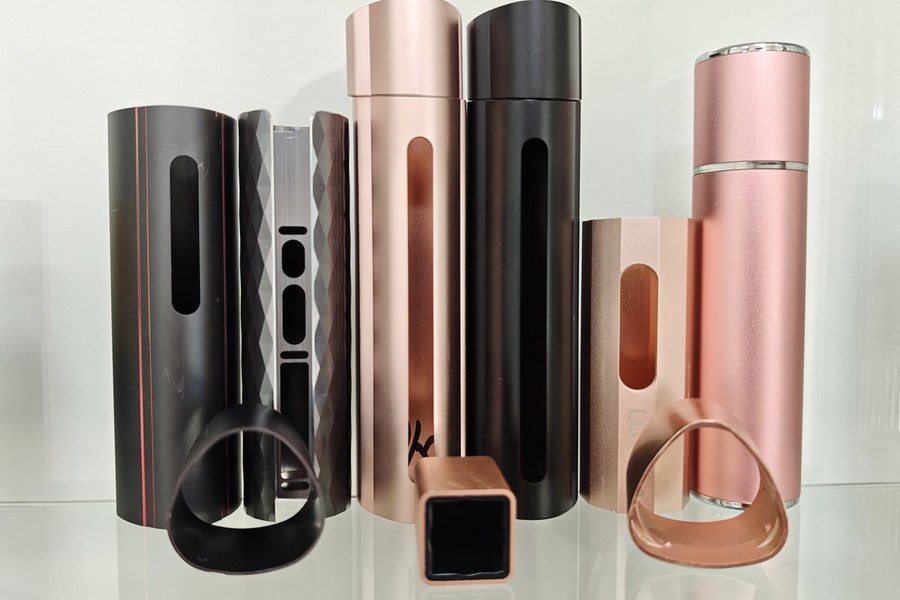
What overseas buyers should ask an aluminium enclosure supplier about RoHS, REACH SVHC, conflict minerals and material declarations before ordering.
Need a specific answer? Send your drawing and we reply within one working day.