
Everything that turns an aluminium profile into a finished enclosure happens in one plant in Shenzhen — die design, extrusion, CNC machining, surface finishing and assembly. The pages below document the numbers behind each step, so you can check a drawing against real capability before you send it.
What we do in-house
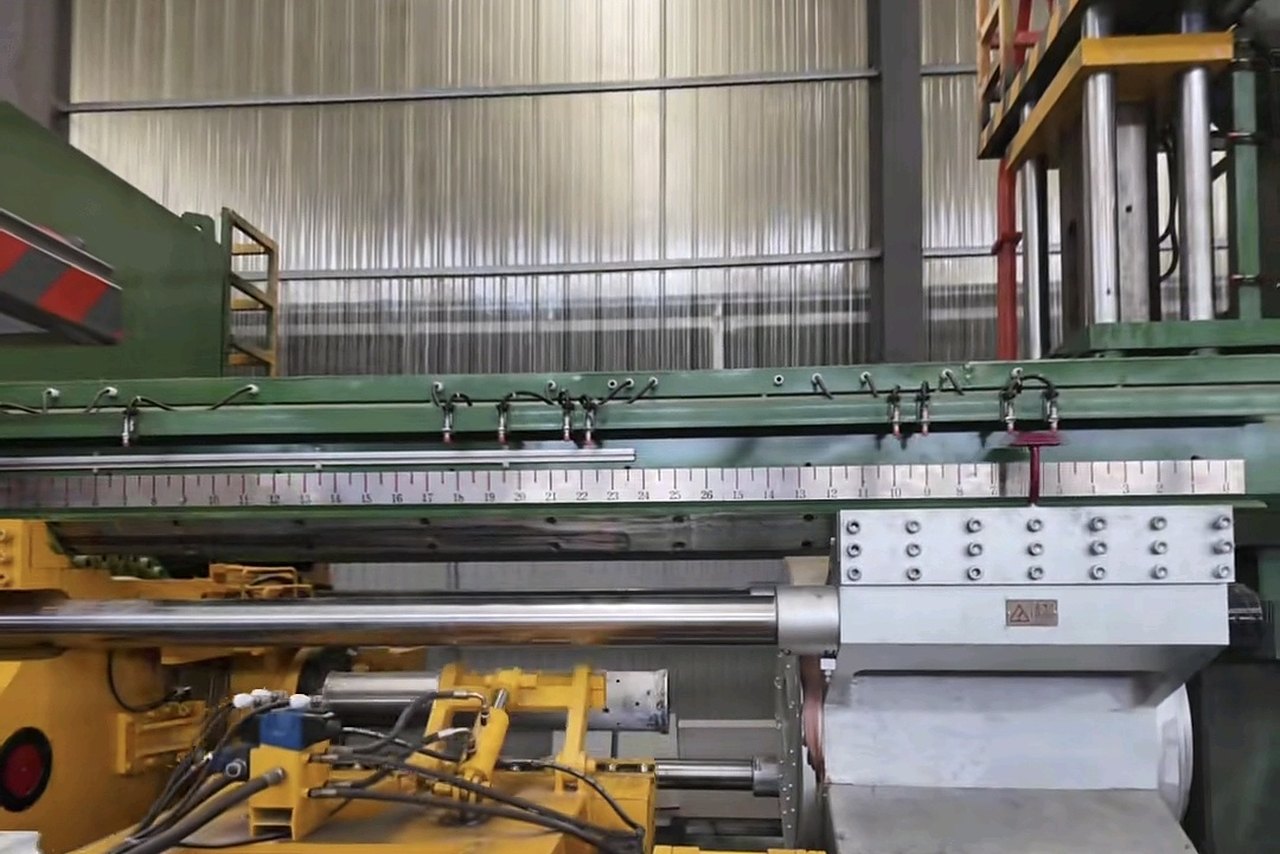
Aluminium Extrusion & Die Design
700 t and 1,800 t presses, 220 mm circumscribing circle, 6 m length, 0.3 mm walls, dies in 7–10 days.
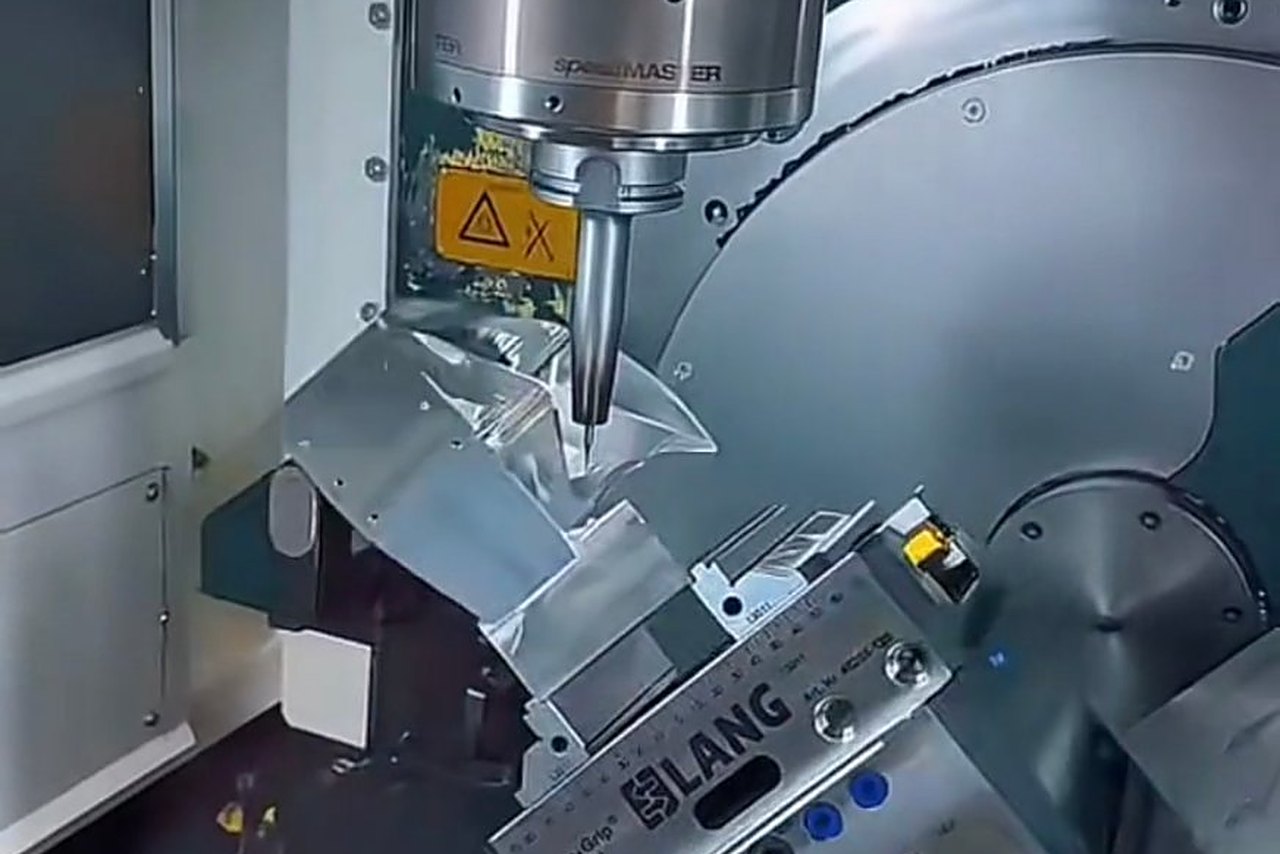
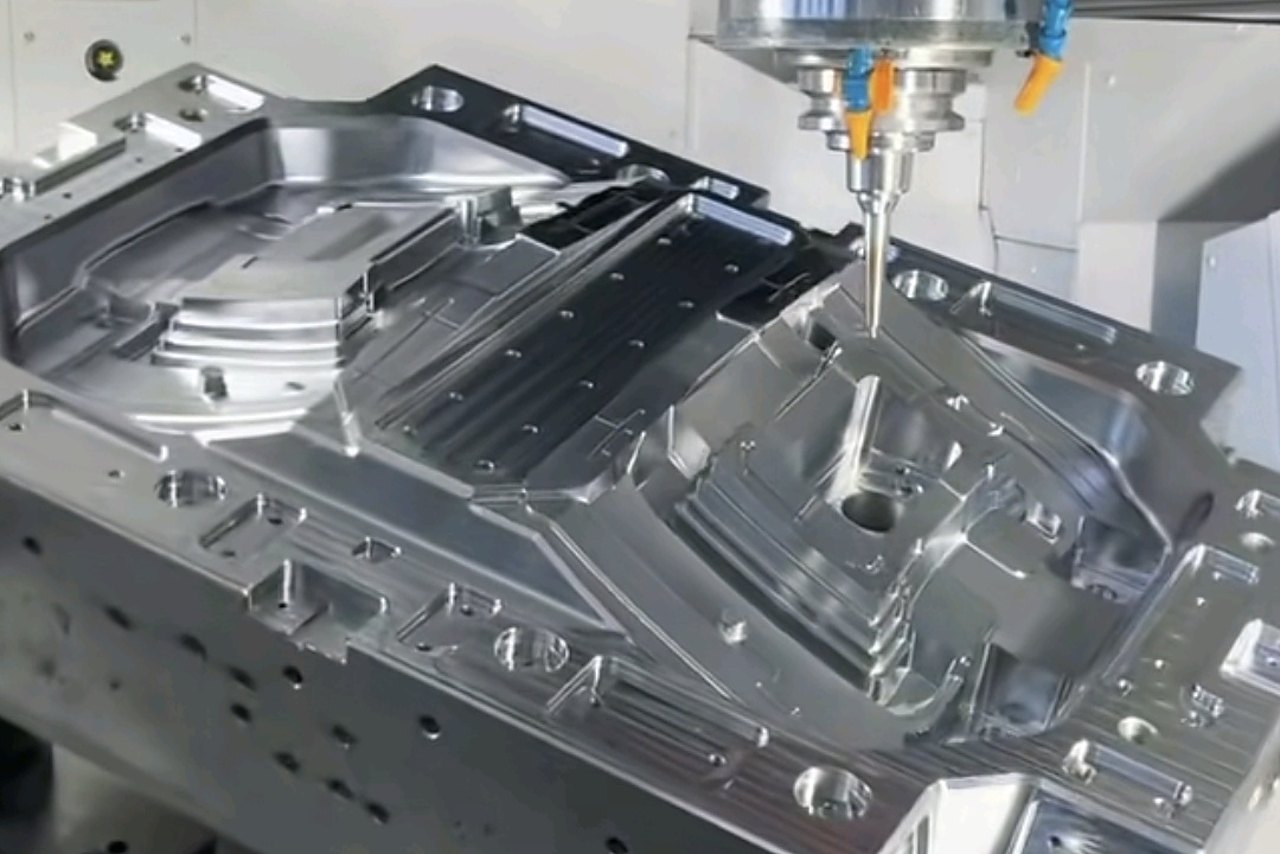
CNC Machining
30 CNC machines, five of them five-axis. End faces ±0.02 mm, hole position ±0.05 mm, flatness 0.05 mm.
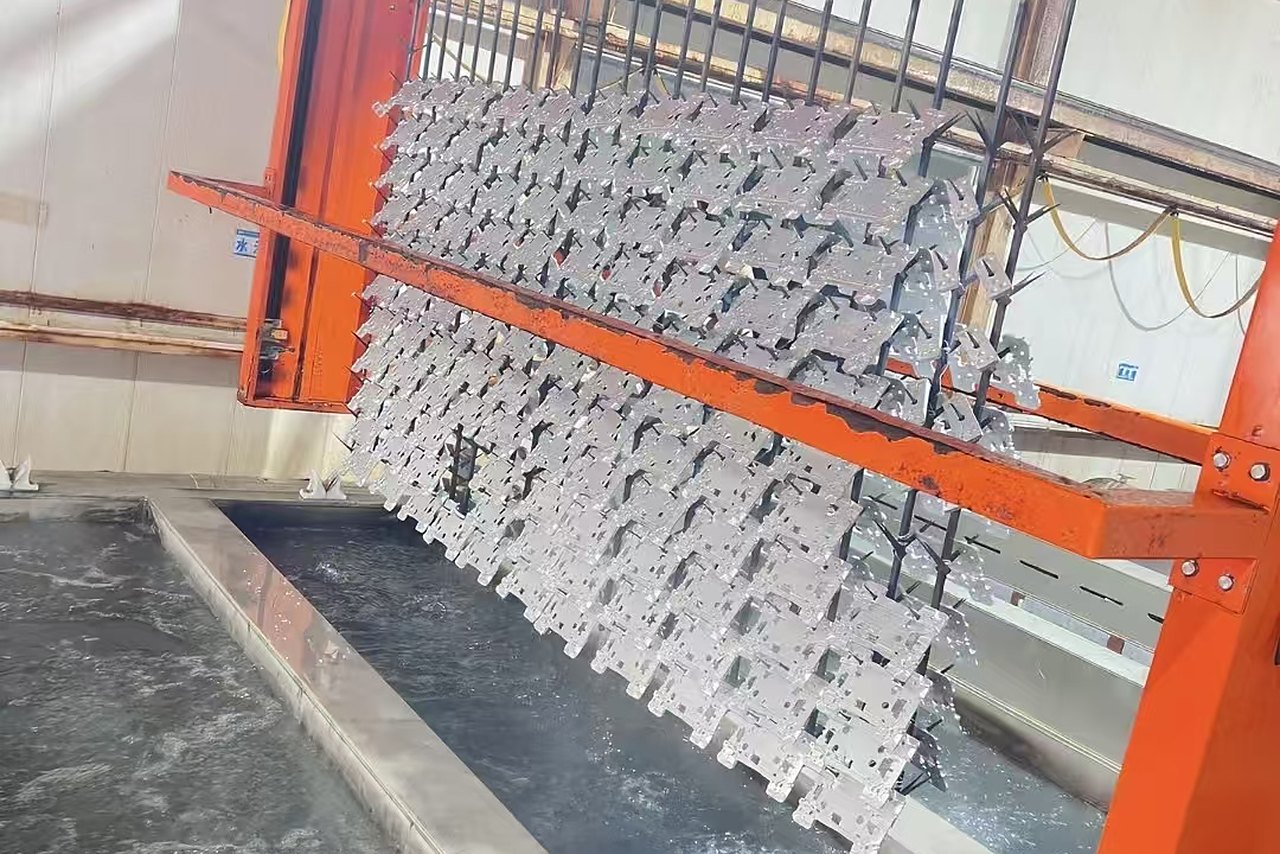
Surface Finishing
Anodising, powder coating, 180# blasting and e-coat, Pantone and RAL matched on a production coupon.
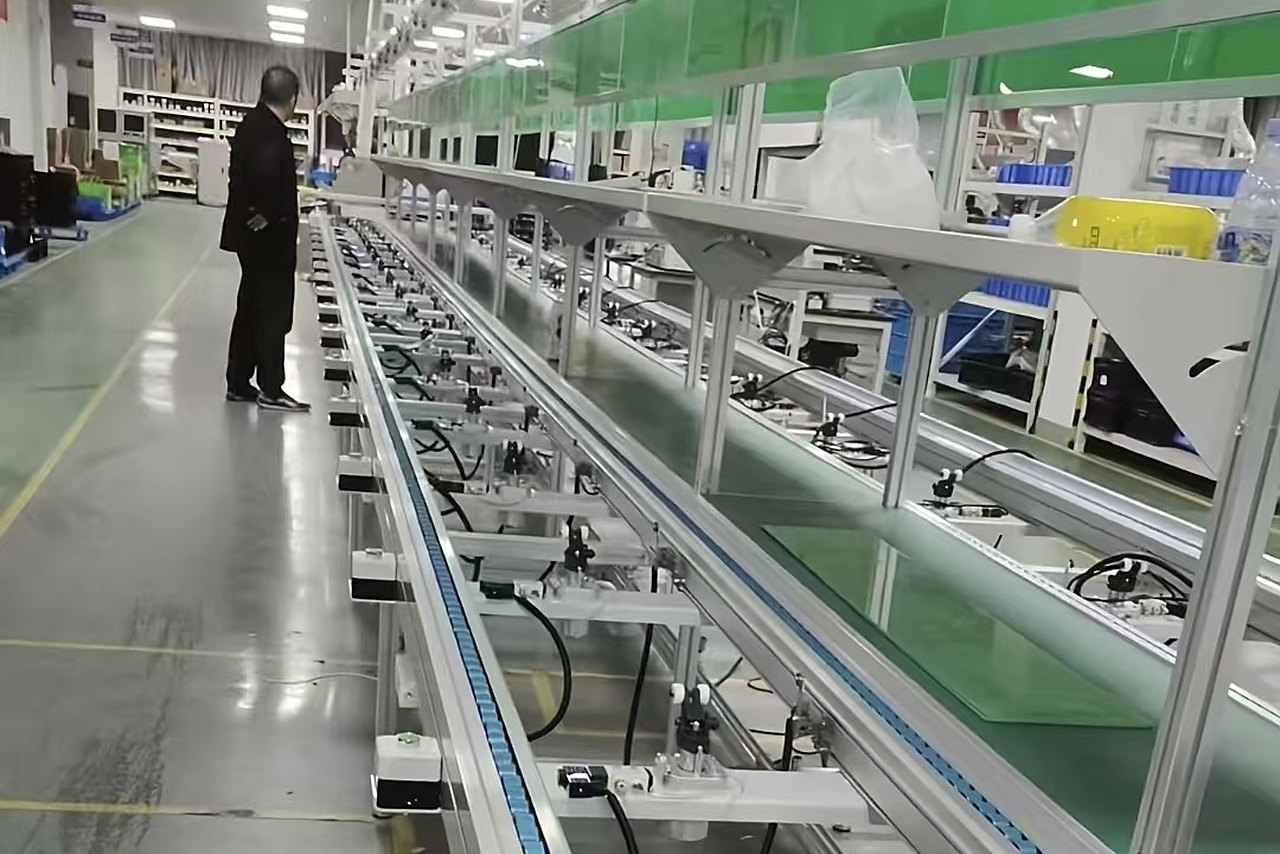
IP Rated Sealing
Machined gasket grooves, Shore A hardness to GB/T 531.1 and a hydrostatic immersion test on the finished unit.
Low-Volume & Prototyping
Machine with no die while the design moves, or tool in 7–10 days with three free sample rounds.
Product-stage fabrication
Beyond the four core processes, a small amount of secondary work is carried out at product stage when an enclosure assembly calls for it — profile cutting and bending to form a lip, a return flange or a bracket that the machined part cannot provide on its own. This is a supplement to a finished enclosure programme, not a standalone service: we do not quote bending as a job-shop operation, and a drawing that is only a bend radius will be referred on rather than priced.
Where a bend sits on the critical path we say so at drawing review, together with the minimum radius and the springback allowance for that section, so the formed part fits the rest of the assembly the first time.
Why one roof matters
Most enclosure projects lose time at the handovers: the die shop blames the machinist, the machinist blames the anodiser, and the customer carries the scrap. With tooling, pressing, machining and finishing in the same building, the datum, the drawing and the fixture are the same set of facts for everyone, and a tolerance problem is solved in a meeting rather than in a claim.
| Step | Where it happens | Typical lead time |
|---|---|---|
| Die design and manufacture | In-house tool shop | 7–10 days (15–20 for complex hollow) |
| Sample after die trial | In-house | About 7 days |
| Mass production | In-house | 25–30 days |
| Surface finishing | In-house lines | Scheduled with production |
| Shipping | Shenzhen port / air | 4–7 days by air express |
Industry pages
If you already know the application rather than the process, start from the industry page — those cover the failure modes specific to each product family.
Heat Sink & Thermal Enclosures
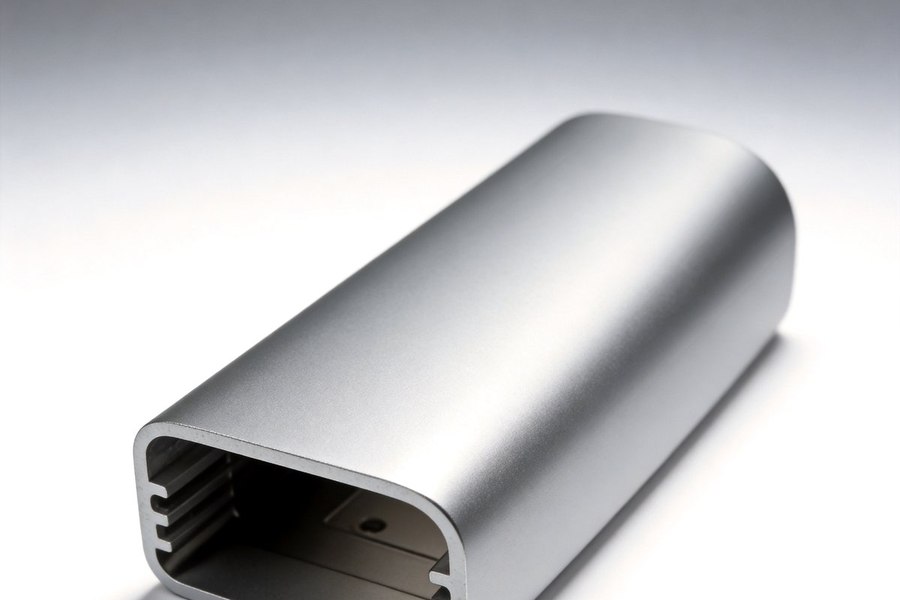
Extruded fins, 0.3 mm walls, machined mounting faces at 0.05 mm flatness.
Optical Module & 5G Telecom
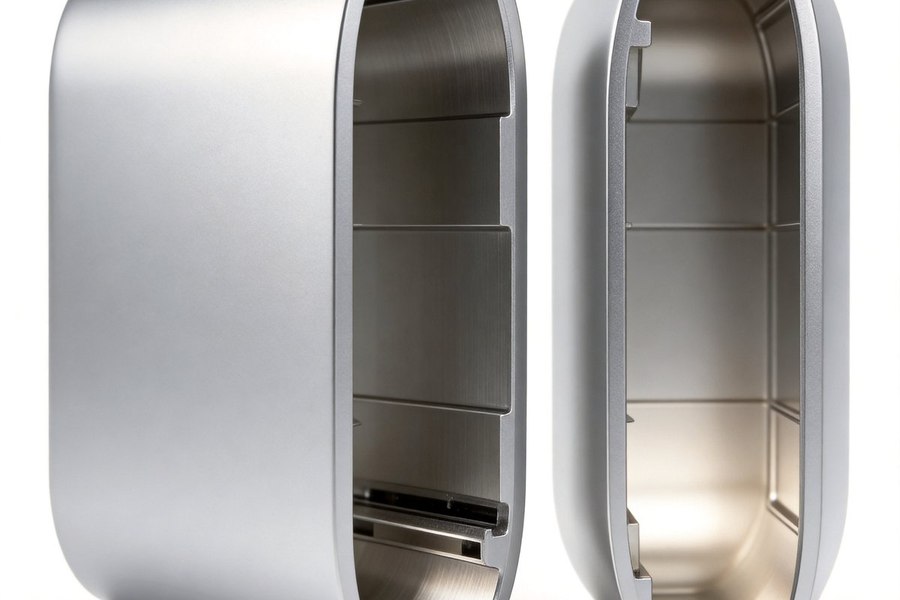
Tight-tolerance shells for 400G/800G modules, AAU heat sinks and baseband units.
Industrial Control & Instruments
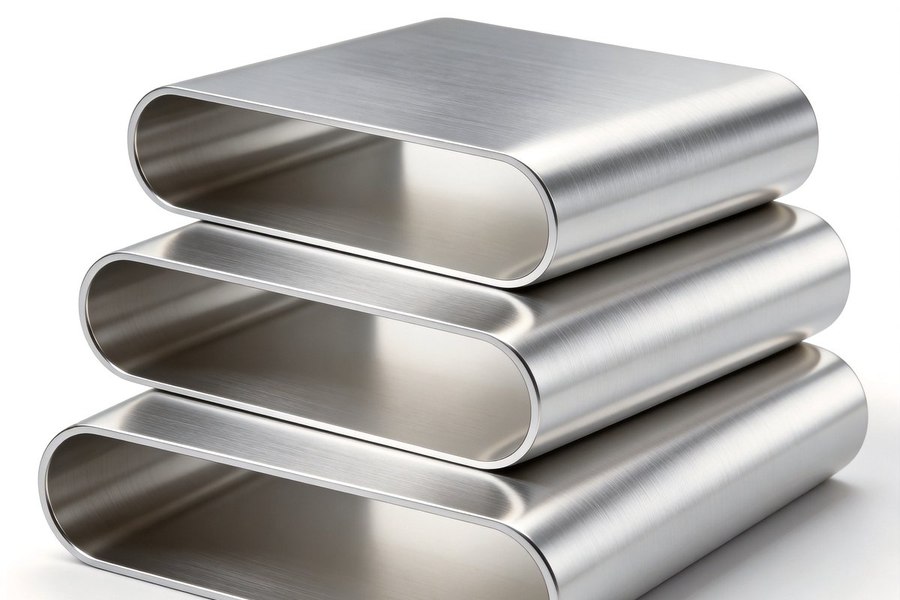
Housings for PLC controllers, HMI panels, sensors and test instruments.
Not sure which process page applies? Send the drawing — we will tell you which route it needs and what it costs.