
| Client | A top-3 global new energy vehicle group |
| Sector | Automotive & E-Mobility |
| Region | China, supplying global vehicle programmes |
| Programme | NEV component housings and auxiliary lighting profiles |
Client identity is described by market position rather than by name, in line with our confidentiality commitments.
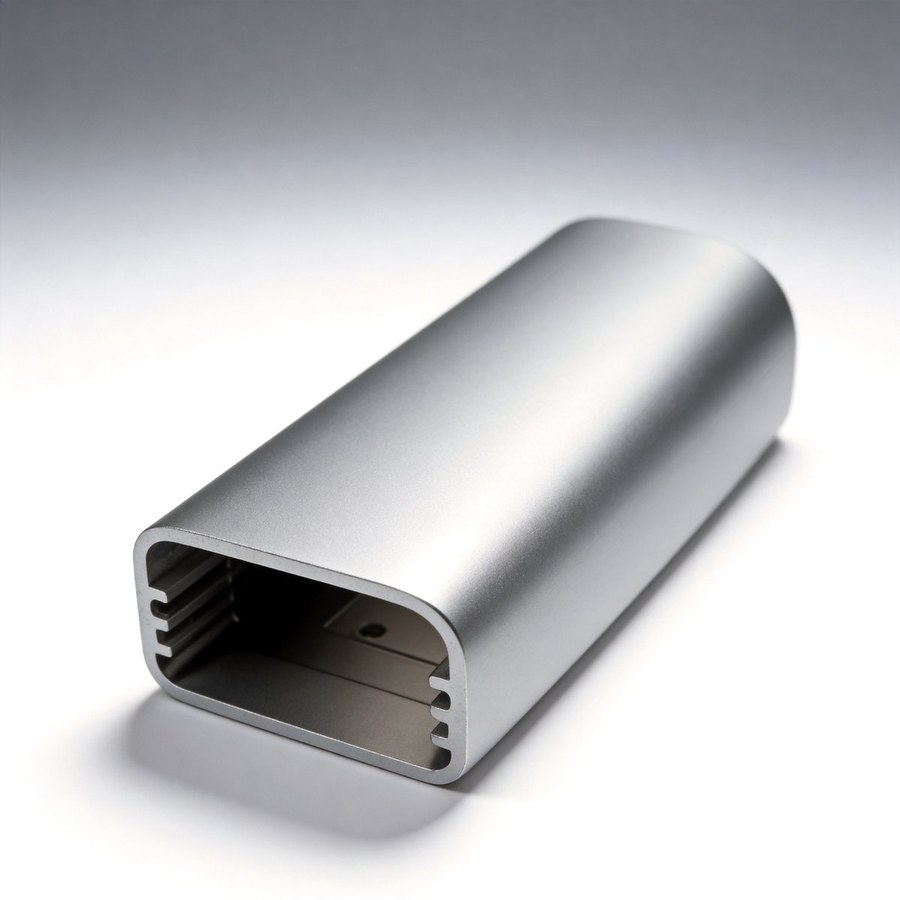
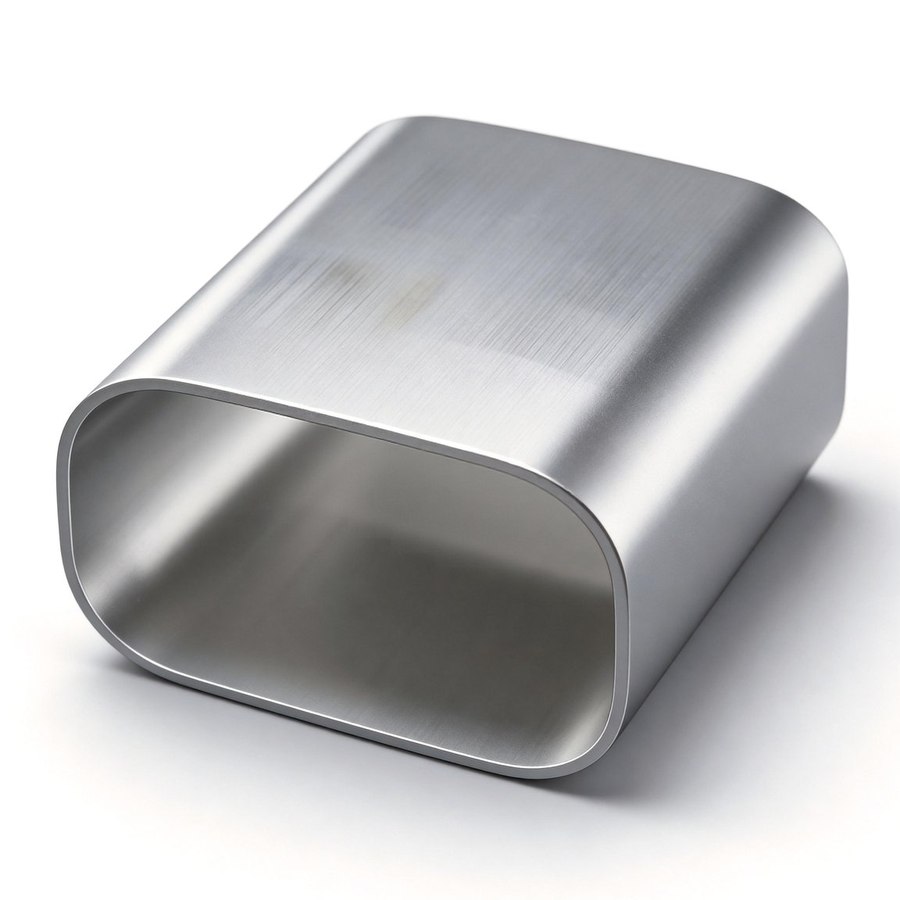
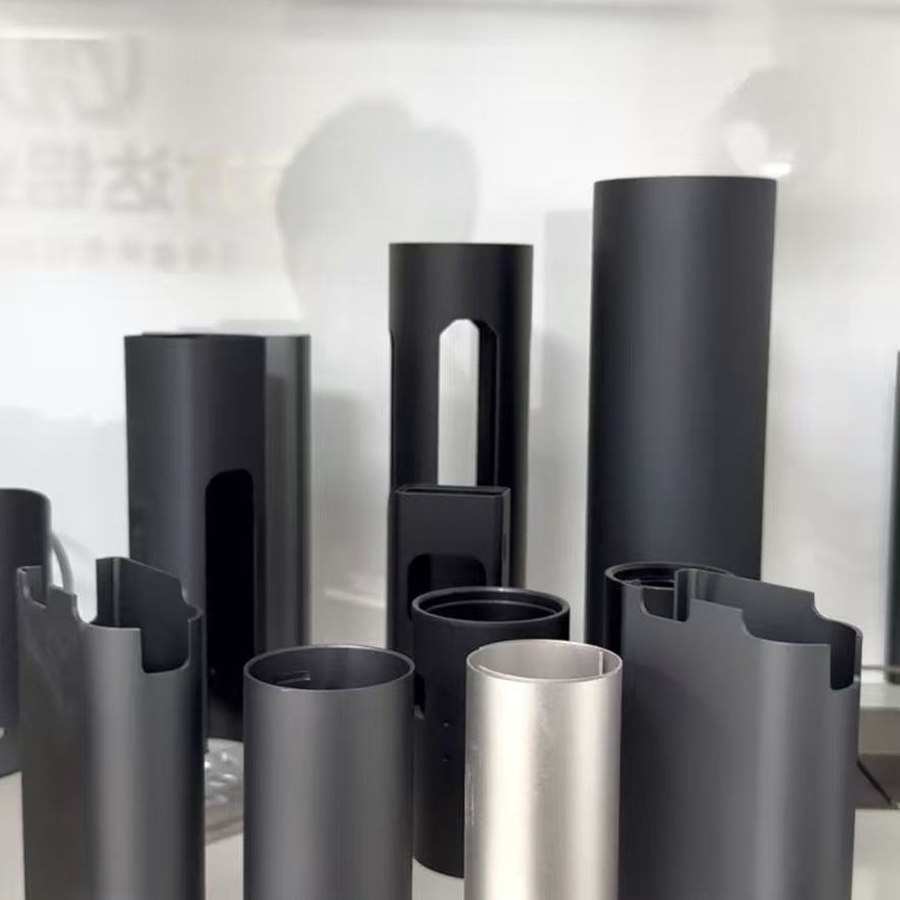
Extruded aluminium housings and lighting profiles for a top-3 global new energy vehicle group, delivered across multiple vehicle programmes with zero batch quality incidents recorded.
The challenge
Automotive programmes are unforgiving about consistency: the same section has to arrive identical month after month, across several vehicle lines, and any batch that drifts becomes a line-stop event rather than a paperwork problem. This programme combined structural component housings with visible auxiliary lighting profiles, so we were answering to two different acceptance criteria at once — dimensional repeatability on the housings, and colour and surface consistency on the lighting profiles.
What we did
One section, two acceptance criteria
We treated the housing and the lighting profile as separate process routes from the same plant. Housing sections were controlled on bore and wall tolerance for fit and sealing; lighting profiles were controlled on substrate uniformity and anodising parameters so colour stayed stable batch to batch.
Substrate uniformity as the foundation of colour control
The lighting profiles ran on our polish-free 6063 route: primary billet from a state-owned mill, ceramic-filtered, degassed and homogenised, so there are no sand holes or weld lines to show through the finish. Going straight to 180# blasting and anodising removed the polishing stage entirely.
Process held in-house end to end
Tooling, extrusion, CNC machining, surface treatment and assembly all ran inside our own plant. With no subcontractor in the chain, a process adjustment on the press or in the anodising line could be made and verified the same day rather than through a third party.
Inspection tied to the programme, not just to the part
Dimensional reports and inspection records were supplied with each batch so the customer could trend our performance rather than only accept or reject deliveries.
Results
| Result | Measured |
|---|---|
| 0 | Batch quality incidents recorded |
| 2 | Distinct acceptance criteria on one programme |
| 100% | In-house process chain, no subcontracting |
- Zero batch quality incidents recorded across the programme.
- Multiple vehicle programmes supplied from the same in-house process chain.
- Structural housings and visible lighting profiles both held to their respective acceptance criteria.
- Colour and surface consistency maintained across repeat batches over the life of the programme.
Why it held in production
Every stage of this programme ran inside our own plant — tooling design, extrusion, CNC machining, surface treatment and assembly. That is the reason the result repeated rather than appearing once on a first article: when a parameter needs adjusting, we change it and verify it the same day instead of negotiating through a subcontractor. We hold ISO 9001 across the process, with wall thickness at ±0.02 mm against a GB standard of ±0.05 mm and cut-to-length at ±0.005 mm.
Other programmes
Have a similar enclosure programme? Send your drawing and we will review it free of charge.